Growing ammonia infrastructure
More than a century of industrial use has created established practices and infrastructure for producing, transporting, storing and handling ammonia.
Ammonia can support scalable, dispatchable power where reliability, fuel flexibility, and energy security matter most.
Why ammonia
Ammonia offers a combination of transportability, established infrastructure and versatility at the point of use.
More than a century of industrial use has created established practices and infrastructure for producing, transporting, storing and handling ammonia.
Ammonia provides a way to carry energy in a form that can be transported and stored using established industrial methods.
Ammonia is a widely traded, carbon-free molecule with an established global distribution network. Its existing infrastructure supports its potential as an alternative energy carrier.
Benefits of ammonia
Carbon-free
Chemical compound
3× volumetric energy density
Compared with hydrogen at 700 bar
100+ years
Of industrial use and supporting infrastructure
Project suitability
Ammonia can provide a compelling energy pathway, but project suitability depends on local conditions. Supply, infrastructure, safety, permitting and integration should all be evaluated together, and Amogy will help you answer these questions.
Is ammonia available in the required quantity, specification and location?
What onsite storage, delivery and handling infrastructure will the project require?
What engineering controls, procedures, training and site requirements are needed for safe operation?
What local codes, approvals and regulatory requirements apply?
How will ammonia supply and Amogy’s equipment integrate with the site and downstream energy system?

See how Amogy’s patented cracking technology converts ammonia into hydrogen.
See how AMMDrive™ Power Systems use ammonia to provide onsite electricity.
Explore AMMDrive™ reforming products for applications requiring hydrogen or hydrogen-rich fuel.
Resources
Research, technical information and project evidence to support a deeper evaluation of ammonia as an energy carrier.
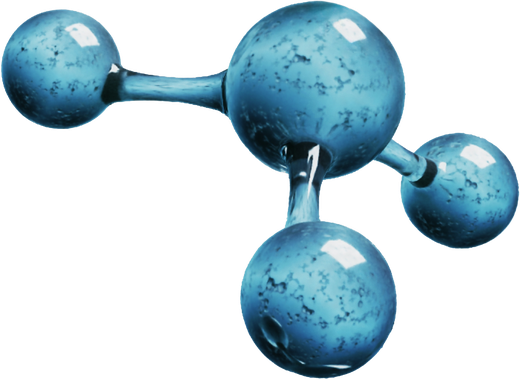
Ammonia carries hydrogen in a form that is far easier to store and move. It stays liquid at ordinary temperatures with only modest pressure, similar to propane. Hydrogen, by contrast, has to be either chilled to extreme cold or compressed to very high pressures before it can be stored or shipped in useful quantities. That lets ammonia use the shipping, storage and handling infrastructure already established by the global fertilizer industry. Amogy converts it near the point of demand for electricity generation or downstream hydrogen applications.
Ammonia is a carbon-free molecule, making it a promising energy carrier for lower-carbon power generation. When used in AMMDrive™ Power Systems, its environmental benefits depend on how the ammonia is produced and transported, as well as the system configuration and fuel source.
Ammonia has a long history of industrial use, supported by established handling practices, infrastructure and regulation. As with other industrial fuels, safe use depends on appropriate equipment, procedures and training.
Existing ammonia networks may support your supply route, but your site may still need storage, handling equipment and integration work. These requirements are assessed for each project.
Our catalyst splits ammonia into hydrogen and nitrogen. An engine-generator or fuel cell then uses the hydrogen to produce electricity, depending on the configuration.
Could ammonia help meet your power or hydrogen needs? Tell us about your site, fuel options and timeline. We’ll help you explore a practical route forward.