

Design around your process requirements
Evaluate catalyst suitability against your target conversion, operating temperature, pressure and feed conditions.
Amogy develops ammonia cracking catalysts designed to support the conversion of ammonia into hydrogen. Explore catalyst technology for ammonia reforming systems, from process development to industrial integration.
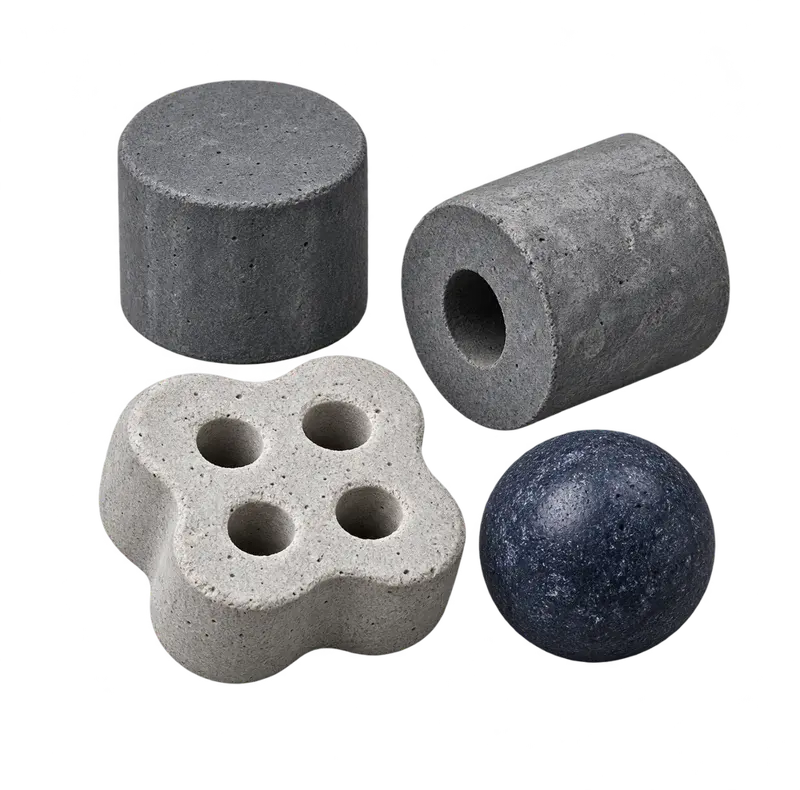
Benefits
The catalyst influences how your ammonia cracking process performs, from conversion conditions to reactor design and operating requirements. Selecting the right catalyst means evaluating more than activity alone. It means understanding how the catalyst performs within your intended system.
Design around your process requirements
Evaluate catalyst suitability against your target conversion, operating temperature, pressure and feed conditions.

Support your system design
Understand how catalyst characteristics interact with reactor configuration, thermal management and other process requirements.

Plan for real operating conditions
Assess catalyst behavior against your expected operating profile, including relevant startup, shutdown and long-term operating considerations.

Make informed technology decisions
Work from application-specific technical information to evaluate catalyst fit, integration requirements and the next steps toward validation.
Applications
Different ammonia cracking systems require different operating conditions and performance characteristics. Explore where Amogy’s catalyst technology may be relevant to your process.
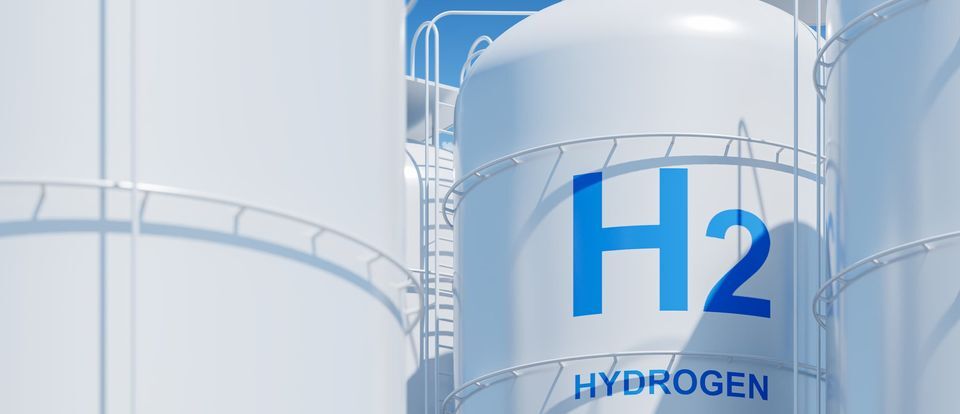
Evaluate catalyst technology for ammonia cracking systems designed to produce hydrogen for downstream processing and use.

Explore catalyst integration for industrial conversion processes where throughput, operating conditions and system efficiency shape the design.

Assess catalyst technology for reforming systems that supply hydrogen-rich fuel to compatible downstream energy equipment.
Safety
Catalyst evaluation should account for the conditions the material will experience throughout its intended operating life, not just its performance at a single test point.

Review the applicable catalyst storage, handling, loading and safety procedures.

Consider how the intended operating conditions and duty cycle may affect catalyst performance over time.

Clarify inspection, servicing, replacement and end-of-life considerations based on the selected catalyst and system design.